Learning body parts in French is a great early lesson for young learners. The words are short, the topic is concrete, and kids can practice just by pointing at themselves.
Here are the essential French body parts for ages 6 to 9.
French Body Parts: The Essential List
| French | English |
|---|---|
| La tête | Head |
| Les épaules (f.) | Shoulders |
| Les genoux (m.) | Knees |
| Les pieds (m.) | Feet |
| Les yeux (m.) | Eyes |
| Les oreilles (f.) | Ears |
| Le nez | Nose |
| La bouche | Mouth |
| Les bras | Arms |
| Les mains (f.) | Hands |
| Le ventre | Belly |
| Les jambes (f.) | Legs |
The Classic Song: Tête, Épaules, Genoux et Pieds
If you have ever heard “Head, Shoulders, Knees and Toes” this is the French version, and it works just as well.
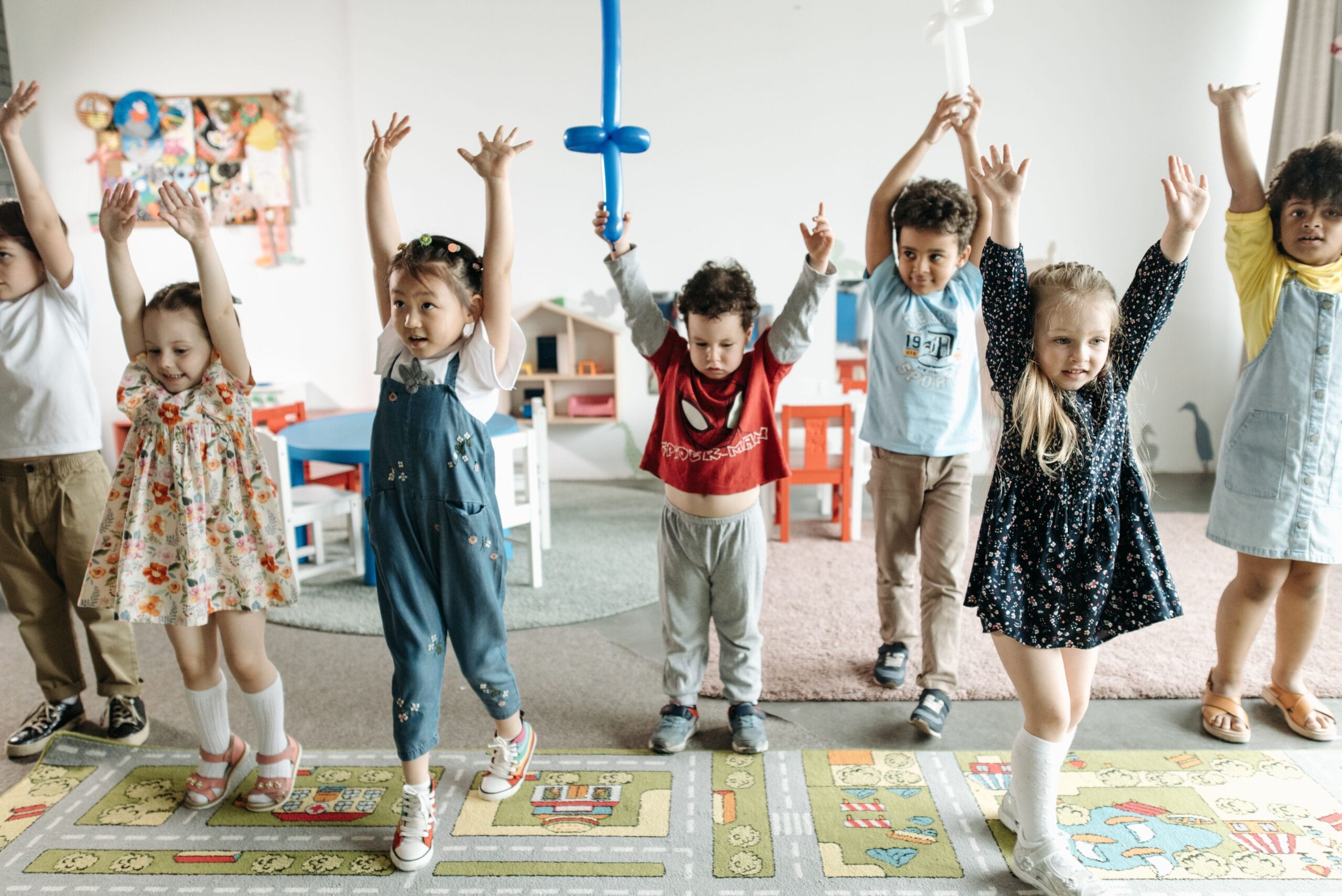
The song is a staple in French classrooms for a reason. It combines movement, repetition and vocabulary all at once, which is exactly how young children learn best. After a few rounds, the words stick without any effort.
Here are the lyrics:
Tête, épaules, genoux et pieds, Genoux et pieds !
Tête, épaules, genoux et pieds, Genoux et pieds !
J’ai deux yeux, deux oreilles,
Une bouche et un nez !
Tête, épaules, genoux et pieds, Genoux et pieds !
Watch it here: Tête, Épaules, Genoux et Pieds
Sing it slow the first time. Then faster. Then as fast as you can.
Native Teacher Tip
After 10 years of teaching French to young learners, I have noticed that les yeux always surprises kids? it looks nothing like what it sounds. And les oreilles takes a few tries. Do not rush those two. The song helps more than any drill.
Activity 1: The Crazy Body Drawing Game
Call out body parts in French one by one. Your child draws the person as you go.
“Draw a head” but say it in French: “Dessine une tête!”
Then make it silly: “Quatre bras. Trois yeux. Deux nez.”
At the end, you both have a person. Compare them. Laugh at the results.
It is creative, it is oral, and it keeps them listening carefully to every word.
Activity 2: True or False
This one works anywhere: at home, in the car, at the dinner table.
The adult points to a body part and says a French word. Your child has to decide: is it true or false?
Point to your nose and say “le nez” : vrai (true).
Point to your ear and say “la bouche” : faux (false)!
The trick is to go faster and faster, and to try to catch them out. Kids love it.
Want to Go Further?
These activities are a great introduction. But if you want structured and ready-to-print French resources designed specifically for kids ages 6 to 9, take a look at my resource library.